The Concert Ticket Illusion: An Investigative Breakdown of Ticketbruno and Brand Impersonation Traps
Nothing matches the adrenaline rush of seeing your favorite artist announce a global stadium tour. For millions of music fans, catching a multi-Grammy winner like Bruno Mars live on stage is an unforgettable bucket-list experience. But as stadium dates sell out in minutes, excitement quickly gives way to panic.
When primary ticketing platforms flash “Sold Out” screens, desperate concertgoers flock to search engines and social media to find any secondary seller with seats to spare. Unfortunately, cyber fraud rings thrive in high-stress, high-demand environments.
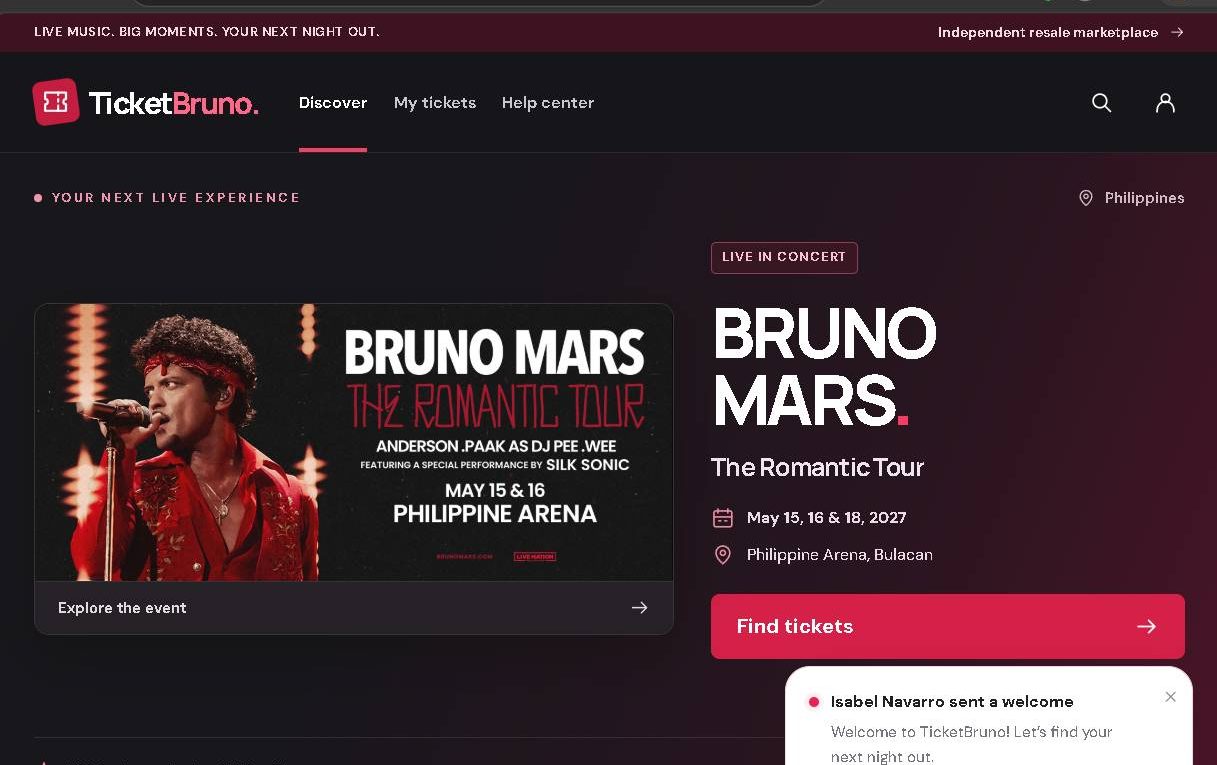
Recently emerging in cybersecurity intelligence queues is Ticketbruno.com. Marketing itself as a specialized resale hub for high-profile Bruno Mars tour stops (such as upcoming dates for The Romantic Tour at major arenas), the website presents a clean, operational facade. But behind the bright promotional banners and countdown timers lies an unverified digital entity operating with glaring red flags.
This investigative guide breaks down the fundamentals of brand impersonation and name-hijacking schemes, examines the operational mechanics of Ticketbruno, reveals critical warning signs uncovered in security audits, and provides a clear verdict to keep your funds safe.
Fundamentals of Brand Impersonation and Niche Squatting
To understand the risks associated with Ticketbruno, we must examine how modern online ticketing scams exploit human behavior.
Ticketing scams have moved past blurry screenshots and risky in-person scalping. Modern fraud networks employ sophisticated digital strategies designed to fool seasoned web users:
- Name-Association Hijacking: Rather than building a broad secondary ticketing marketplace (like StubHub or SeatGeek), operators launch single-event or artist-specific micro-domains. By fusing a recognized term like “Ticket” with a major pop icon’s name (“Bruno”), they create an immediate illusion of official partnership or authorized fan-club status.
- Exploiting Emotional Scarcity: Live concert tickets are the ultimate perishable good. Once an event date passes, the opportunity is gone forever. Rogue sellers exploit this urgency by placing artificial timers, “Last 2 Tickets Left” warnings, and high-energy social media ads directly in front of motivated fans.
- Malvertising & Social Traps: Fraud rings deploy automated ad campaigns across Facebook, TikTok, and Instagram. Because platforms rely heavily on automated ad approvals, malicious links often bypass moderation filters during the initial rush of an announced tour leg.
- The Secondary Resale Smokescreen: By labeling themselves as an “independent ticket resale marketplace” in their metadata, bad actors create a legal shield. If a buyer never receives entry barcodes or gets turned away at the gate with duplicate seats, the site operators claim they were merely an unverified middleman connecting third-party sellers.
📧 Need Legal Assistance?
Contact the author for legal consultations, case evaluations, and professional inquiries.
Case Study: Deconstructing Ticketbruno
Official ticketing for major concert tours is tightly regulated. Authorized promoters and stadium venues contract directly with recognized ticketing partners—such as Ticketmaster or Live Nation—and tickets are often strictly bound to primary digital buyer accounts to prevent scalping and fraud.
When analyzing Ticketbruno, the operational profile reveals a newly deployed, unvetted entity targeting high-demand stadium shows.
Storefront Operation and Anatomy
The website’s landing pages focus heavily on high-demand Bruno Mars international appearances, such as multi-night engagements at mega-venues like the Philippine Arena. The interface features dynamic seat-selection charts, tiered pricing tiers, and embedded payment processing forms. To a casual fan navigating quickly on a smartphone, the site looks like an authentic regional ticketing agency.
Marketing Claims and Lures
The primary lure of Ticketbruno is availability where authentic platforms show none. While general public sales on verified platforms sell out almost immediately, the storefront claims to hold prime floor tickets and VIP tiers. By coupling these listings with claims of buyer protection guarantees and seamless digital barcode delivery, the platform lowers skepticism for buyers desperate to secure attendance.
Underlying Modus Operandi
The financial pipeline behind pop-up ticketing storefronts typically follows one of three dangerous paths:
- Direct Phantom Sales: The customer pays hundreds (or thousands) of dollars for premium seats. The store issues a fabricated order confirmation PDF containing invalid barcodes. The buyer discovers the deception only when venue scanners reject their ticket at the stadium turnstile.
- Duplicate Speculative Ticketing: The platform sells the same digital seat allocation to dozens of separate buyers. Only the very first person to reach the gate gets scanned in; everyone else holding the identical seat number is turned away by arena security.
- Financial and Identity Harvesting: Beyond lost ticket fees, the site captures the user’s full legal name, home address, phone number, and credit card security data. This sensitive information can be exploited for unauthorized recurring transactions or traded across dark-web identity brokerages.
Red Flags Uncovered on Ticketbruno
A forensic analysis of the platform’s digital footprint highlights several critical security warnings:
- Brand-New Domain Registration: Global WHOIS registry checks reveal that Ticketbruno was registered extremely recently (September 2026). Legitimate, multi-million-dollar event ticketing exchanges require established corporate longevity, enterprise escrow infrastructure, and years of trusted verification.
- Hidden Corporate Ownership: The site owner’s identity is concealed behind paid privacy-guard proxy services in Denver, Colorado. Authentic ticketing businesses publish transparent corporate registration numbers, verifiable physical business addresses, and registered merchant credentials.
- No Direct Artist or Venue Affiliation: Major touring artists operate through designated, officially announced global ticketing partners. Ticketbruno holds no official authorization, licensed partnership, or recognized venue allocation from tour promoters.
- Poor Reputation Footprint: Independent cyber threat evaluators (including Gridinsoft and ScamAdviser) assign the domain a low trust score (averaging 43–57 out of 100), flagging the lack of historical legitimacy and unvetted payment handling.
- Absence of a Resilient Dispute Channel: Pop-up ticketing storefronts rarely offer real-time customer service phone lines. Instead, they rely on anonymous email addresses or one-way contact forms, leaving buyers with zero recourse if tickets fail to materialize before showtime.
Final Verdict
When evaluating the recent domain age, hidden ownership records, and lack of official event authorization, the verdict is definitive.
Ticketbruno is a high-risk, unverified ticketing storefront. It lacks authorized distribution rights and presents severe risks of ticket invalidity, unfulfilled orders, and credit card data compromise. Fans should refrain from entering payment information, submitting personal data, or purchasing passes through this site.
If you have already submitted your payment information on this platform, contact your credit card provider immediately to monitor your statement, flag unauthorized charges, and request a fraudulent transaction dispute. For concert admissions, purchase exclusively through primary, authorized outlets designated by the artist’s official tour site (such as Ticketmaster or venue-partnered box offices).
Frequently Asked Questions (FAQ)
Is Ticketbruno a Scam?
Yes. Based on its recent domain registration, hidden administrative ownership, low independent security trust scores, and total lack of official promoter licensing, Ticketbruno carries all the hallmark indicators of an illegitimate ticketing setup.
Is Ticketbruno Legit?
No, Ticketbruno is not legitimate. It is not an authorized sales partner for Bruno Mars concert dates or international stadiums, and it has no verified inventory backing its claims.
How can I verify if an online concert ticket seller is authorized?
Always navigate directly from the artist’s verified official website or the host arena’s portal. Authentic tour announcements clearly link to their designated primary ticketing partners (such as Ticketmaster, AXS, or Live Nation).
What happens if I buy duplicate concert tickets from an unverified website?
When multiple buyers are sold the exact same digital barcode, only the first individual scanned at the venue entrance is permitted inside. All subsequent barcode scans are flagged as already admitted, resulting in immediate denial of entry by arena staff.
What steps should I take if I already paid on Ticketbruno?
Notify your bank or credit card fraud department without delay. Report the merchant as an unverified high-risk entity, freeze your payment card to prevent follow-up unauthorized debits, and file an immediate chargeback claim.
Why do fraudulent ticketing platforms target specific artist tours?
Scammers exploit high-demand tours with limited seating because fans experience heightened urgency to secure tickets before they sell out completely, making them more likely to bypass basic security checks.
Can social media ads for concert tickets be trusted?
You should treat sponsored concert ads with extreme caution. Fraud rings frequently purchase targeted ads on platforms like Instagram and TikTok that lead directly to lookalike checkout screens mimicking authentic booking portals.
For more shady sites exposed, check our Shopping Scam Directory — your quick guide to staying safe online.
Every safe click counts. If this post helped, a coffee gesture fuels more scam‑busting investigations.

Call to Action
Please share this article to spread awareness. Follow us on Facebook, Twitter, and Instagram for more scam alerts. If you doubt the legitimacy of any website or investment plan, DM us on social media — we’ll help you verify.