TryLonnis.com Scam Review – The Trylonnis Emotional Trap
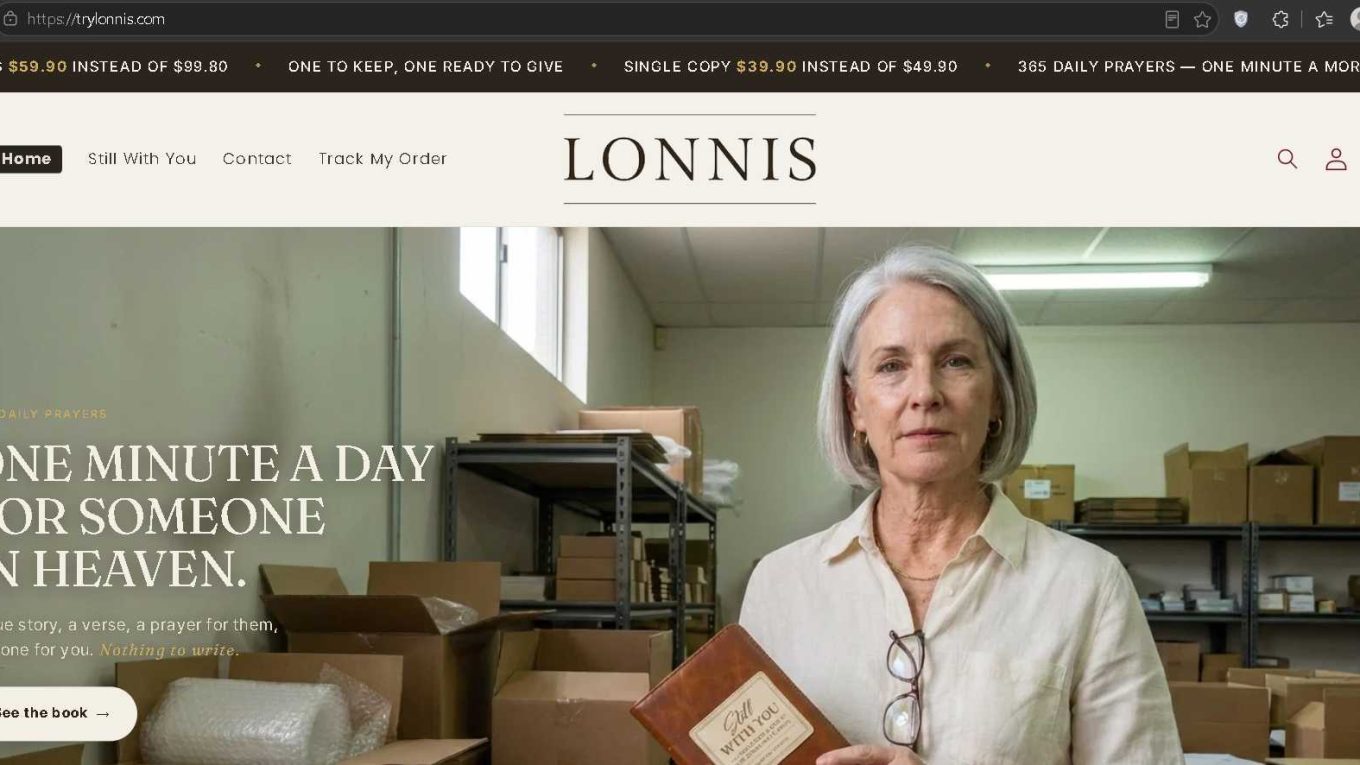
In the ever‑shifting landscape of online commerce, scams are no longer confined to counterfeit electronics or fake fashion outlets. They have evolved into subtler, more manipulative forms that prey on human emotions. TryLonnis — often searched under the keyword Trylonnis — presents itself as a seller of a heartfelt memorial product: “365 Daily Prayers — One Minute a Day for Someone in Heaven.”
At first glance, the site appears to offer spiritual comfort. But beneath its polished design lies a deceptive funnel that exploits grief, faith, and sentimentality. This review uncovers the hidden risks, explains the mechanics of emotional‑product scams, and warns readers about the dangers of sites like Trylonnis.
“Scammers know that grief opens wallets — protect your emotions, and protect your money.”
The Emotional Hook
Unlike typical scam sites that lure buyers with flashy gadgets or fashion discounts, TryLonnis plays on grief and spirituality. Its central product — a prayer book for loved ones in heaven — is marketed as a way to honor the departed. Emotional hooks are powerful because they bypass rational skepticism.
Scam operators know that emotional pain creates urgency. When someone is grieving, they are more vulnerable to sentimental marketing. TryLonnis leverages this vulnerability to push impulse purchases, making it a textbook case of emotional exploitation in e‑commerce.
Domain & Ownership Analysis
- Domain Age: Registered only a few months ago in 2026.
- WHOIS Data: Hidden behind a paid privacy shield, concealing the true owner.
- Hosting: Shared servers with other suspicious sites, a common scam indicator.
- Traffic: Extremely low, suggesting no established customer base.
Legitimate publishers or memorial product sellers usually list their business address, author credentials, and ISBN numbers. Trylonnis provides none of these, raising immediate suspicion.
Website Design & Sales Funnel
The site uses a clean, Shopify‑style layout with professional graphics. Discounts are prominently displayed:
- “$39.90 instead of $49.90”
- “$59.90 instead of $99.80”
This discount baiting tactic is a hallmark of scam funnels. The urgency banners and emotional copywriting push visitors toward impulse purchases. Yet, no verified reviews, testimonials, or social media presence back up these claims.
Red Flags of TryLonnis
1. Hidden Identity
Trylonnis conceals its ownership details. No company name, physical address, or author credentials are listed. Legitimate publishers proudly display their identity, while scams hide behind anonymity. This lack of transparency is the first major red flag.
2. No ISBN or Publishing Credentials
Books sold by genuine publishers carry ISBN numbers and author details. Trylonnis’s prayer book has none. Without ISBN verification, the product cannot be traced to any recognized publisher. This strongly suggests it is either a print‑on‑demand item of poor quality or a product that may never be delivered.
3. Emotional Marketing Exploitation
The entire sales pitch revolves around grief and spirituality. Phrases like “One minute a day for someone in heaven” are designed to bypass rational thought. Scammers often use emotional triggers because they create urgency and reduce skepticism.
4. Stock Testimonials & Images
The testimonials on Trylonnis appear generic, with images that resemble stock photos or AI‑generated visuals. Real customer reviews are absent. This is a clear sign of fabricated credibility.
5. Discount Baiting
The site constantly displays discounts — “$39.90 instead of $99.80.” Such exaggerated markdowns are common in scam funnels. They create a false sense of urgency, pushing buyers to act quickly without verifying legitimacy.
6. No Independent Reviews
Trylonnis has no presence on Trustpilot, Reddit, or consumer forums. Genuine businesses accumulate reviews over time. The absence of independent feedback is a strong indicator of a scam.
7. Domain Recycling Risk
Scam sites often vanish once flagged and reappear under new names. Trylonnis shows signs of being part of this cycle. Similar sites like BerthaCleans.com follow identical patterns, suggesting a network of emotional‑product scams.
8. Server Neighbors
Analysis shows Trylonnis is hosted alongside other suspicious domains. Scam operators often cluster multiple sites on shared servers to cut costs and recycle infrastructure.
9. Lack of Social Media Presence
No verified Facebook, Instagram, or LinkedIn accounts exist for Trylonnis. In today’s digital age, legitimate businesses maintain active social profiles. The absence of social engagement is another red flag.
Emotional‑Product Funnel Scams Explained
Trylonnis is not an isolated case. It belongs to a broader scam category known as Emotional‑Product Funnel Scams. Other similar sites examples: , & Davidcruises.
How They Work:
- Launch with Sentimental Products: These sites sell prayer books, memorial gifts, or spiritual journals.
- Exploit Emotional Pain: Marketing focuses on grief, faith, or remembrance.
- Use Discount Baiting: Heavy discounts create urgency.
- Hide Ownership: WHOIS privacy shields conceal the operators.
- Recycle Domains: Once exposed, the site disappears and reappears under a new name.
Why They Succeed:
- Emotional buyers are less skeptical.
- Products are low‑cost, making refunds less likely.
- Sentimental hooks create urgency.
Examples:
- Berthacleans.com — flagged by Wisdom Ganga for similar tactics.
- Davidcruises (Davidcruises.com)
These scams are psychological commerce traps. They don’t rely on malware or phishing but on emotional manipulation.
Safety Advice
- Avoid Direct Card Payments: Use PayPal for buyer protection.
- Verify ISBN & Author: Genuine books always have traceable publishing details.
- Search for Reviews: Look up “Trylonnis reviews” before buying.
- Report Suspicious Activity: Use the Cyber Crime Portal.
- Trust Established Sellers: Buy memorial or faith‑based books from verified platforms like Amazon or Flipkart.
Expert Verdict
Trylonnis is not a malware trap but a psychological commerce scam. It manipulates emotions to push impulse purchases of unverified products. Until independent reviews or transparent ownership emerge, it should be treated as high‑risk.
Conclusion
In the digital marketplace, scams evolve beyond fake electronics or fashion. Trylonnis demonstrates how grief and faith can be weaponized for profit. Buyers must remain vigilant, verifying credentials and reviews before trusting sentimental products online.
Author Bio
Suyesh Gusain is a scam‑review analyst and content creator at Wisdom Ganga. He specializes in exposing online frauds, deceptive funnels, and fake shopping sites. With a focus on SEO‑ready consumer safety articles, Suyesh helps readers identify red flags and protect themselves from scams.
Every safe click counts. If this post helped, a coffee gesture fuels more scam‑busting investigations.

FAQ Section – Trylonnis
Q1: Is Trylonnis a scam?
Yes, Trylonnis shows multiple red flags including hidden ownership, no ISBN credentials, discount baiting, and lack of independent reviews. These indicators strongly suggest that it is a scam website.
Q2: What is the Trylonnis fraud about?
The fraud revolves around selling a memorial prayer book using emotional marketing. It exploits grief and faith to push impulse purchases, making it a classic emotional‑product funnel scam.
Q3: Is Trylonnis legit or fake?
It is fake. The site hides its identity, has no publishing credentials, and operates like other deceptive funnels. Without transparency or verified reviews, Trylonnis.com legitimacy cannot be trusted.
Q4: How does the Trylonnis memorial scam work?
The Trylonnis memorial scam uses emotional hooks like “One minute a day for someone in heaven” to manipulate buyers. It sells unverified products at discounted prices, often with poor quality or no delivery.
Q5: What is an emotional‑product funnel scam like Trylonnis?
An emotional‑product funnel scam, such as Trylonnis, exploits grief and spirituality. It hides ownership, uses urgency discounts, and recycles domains to trap buyers repeatedly.
Q6: Are there Trylonnis reviews online?
No genuine Trylonnis.com reviews exist on Trustpilot, Reddit, or consumer forums. The absence of independent feedback is a major warning sign that it is unsafe.
Q7: What should I do if I bought from Trylonnis?
If you purchased from it, request a refund via PayPal or your bank immediately. Monitor your account for unauthorized charges and report the Trylonnis scam to the Cyber Crime Portal.
Q8: Why is Trylonnis unsafe for buyers?
It is unsafe because it combines hidden ownership, fake testimonials, and emotional manipulation. These tactics make it a high‑risk scam site.
Call to Action
Please share this article to spread awareness. Follow us on Facebook, Twitter, and Instagram for more scam alerts. If you doubt the legitimacy of any website or investment plan, DM us on social media — we’ll help you verify.
“Scammers evolve daily. Subscribe to our scam‑alert list and stay one step ahead.”