Navigating Tryfidelo: What You Need to Know About the FamilyGuard Platform
In today’s always‑connected world, one of the biggest worries for parents is how to keep their children safe online. Kids are picking up smartphones, tablets, and computers at younger and younger ages, and with that comes exposure to risks many parents are still learning to navigate. To meet this challenge, the market is overflowing with apps, tools, and software promising to help families monitor and guide online behavior.
Among these, one platform that has started catching the eye of tech‑aware parents is Tryfidelo, home to an application called FamilyGuard.
But since the website is fairly new, it’s natural for people to wonder: Is it safe? Does it really deliver on its promises? And can parents trust it with their personal details or financial information? This review takes a closer look at Tryfidelo so you can make a well‑informed choice before signing up or sharing anything sensitive.
What is Tryfidelo and FamilyGuard?
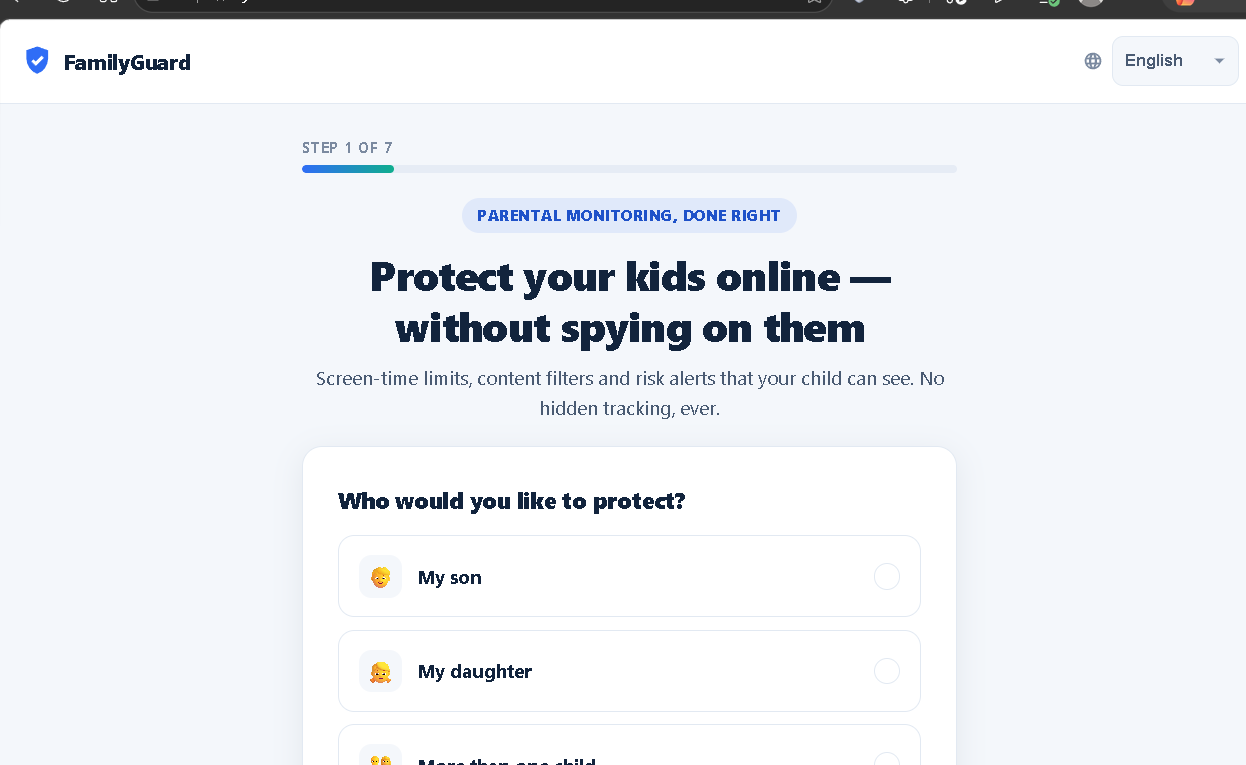
When you visit Tryfidelo, you are greeted by an interface centered around a service called FamilyGuard. Unlike traditional parental control software that often relies on hidden keystroke logging, covert spyware, or stealth tracking, FamilyGuard markets itself differently. Its core philosophy centers on transparency under the tagline: “Parental monitoring, done right.”
The platform focuses on three main pillars for digital parenting:
- Screen-Time Limits: Helping parents establish healthy boundaries for daily device usage.
- Content Filters: Restricting access to age-appropriate internet browsing material.
- Risk Alerts: Providing notifications about potential online dangers that both the parent and the child can see.
By emphasizing open communication rather than secret surveillance, Tryfidelo aims to appeal to parents who want to guide their children through internet safety without compromising trust or invading privacy behind closed doors.
Technical Analysis and Trust Evaluation of Tryfidelo
Because online scams and fraudulent tech platforms are common, checking the security credentials of a newly discovered website is crucial. Independent website evaluators like ScamAdviser and trust-analysis platforms have closely reviewed Tryfidelo. Here is what the data reveals:
1. Domain Age and Popularity
One of the most critical indicators of a website’s background is its age. Tryfidelo is an extremely young domain, having been registered recently. Because of its recent launch, its overall web traffic and user base remain quite low. New platforms naturally lack a long-standing history of user reviews, meaning prospective customers must rely on technical metrics to gauge safety.
2. Security and SSL Encryption
On the technical front, Tryfidelo features a valid SSL certificate. This means that data transmitted between your browser and the platform’s servers is encrypted. Furthermore, automated security checkers like DNSFilter currently mark the domain as safe from malware or malicious payloads.
3. Trust Scores and Warnings
While technical scans show no immediate signs of malicious software, platforms that evaluate digital trust advise caution. Because Tryfidelo is brand new, security algorithms often flag it with a cautious rating simply due to the lack of historical transparency. There is a distinct difference between a site being mathematically unsafe and a site simply being unproven.
Potential Risks of Using New Platforms
If you are considering signing up for the services offered on Tryfidelo, it helps to keep a few standard digital safety precautions in mind:
- Subscription Models and Payment Safety: Many software-as-a-service (SaaS) platforms require credit card details for trial periods or recurring subscriptions. Always use secure payment gateways and monitor your bank statements closely if you decide to purchase a plan.
- Data Privacy: Even though FamilyGuard advertises transparency, always review the platform’s terms of service and privacy policy to understand how your family’s data, email addresses, and account details are stored.
- Lack of User Feedback: Because the site is new, finding peer-to-peer reviews from long-term users can be difficult. It is wise to start cautiously rather than committing to long-term financial packages upfront.
How to Stay Safe When Exploring Tryfidelo
If you want to test or utilize the tools presented on Tryfidelo, follow these best practices to protect your digital footprint:
- Verify Official Links: Always double-check the URL bar to ensure you are visiting the exact domain (
tryfidelo.com) and not a lookalike phishing link. - Use Burner or Secure Email Addresses: When signing up for initial informational newsletters or introductory steps on new platforms, avoid sharing primary corporate or banking emails if possible.
- Check for Transparent Support Contact: Legitimate companies generally provide clear physical addresses, customer service email channels, and transparent refund policies. Look for these details on the website footer before making a purchase.
- Evaluate Free Alternatives First: Before committing financial resources to a newly launched parental monitoring app, explore established built-in parental controls available natively on iOS, Android, Windows, and gaming consoles.
Conclusion
Tryfidelo presents an interesting concept through its FamilyGuard service, shifting the narrative of parental control away from secretive tracking toward open, transparent digital boundaries. While technical security audits show that the site employs basic web encryption and is free of overt malware, its status as a brand-new domain means consumers should approach it with measured caution.
Always research thoroughly, protect your financial information, and weigh whether a new platform offers distinct advantages over established, mainstream cybersecurity and screen-time management tools. Staying informed is your best defense in the ever-evolving world of digital parenting.
👉 For more shady sites exposed, check our Shopping Scam Directory — your quick guide to staying safe online.
Every safe click counts. If this post helped, a coffee gesture fuels more scam‑busting investigations.

Call to Action
Please share this article to spread awareness. Follow us on Facebook, Twitter, and Instagram for more scam alerts. If you doubt the legitimacy of any website or investment plan, DM us on social media — we’ll help you verify.