Emmafy Scam Review – Mystery Discount Trap Explained
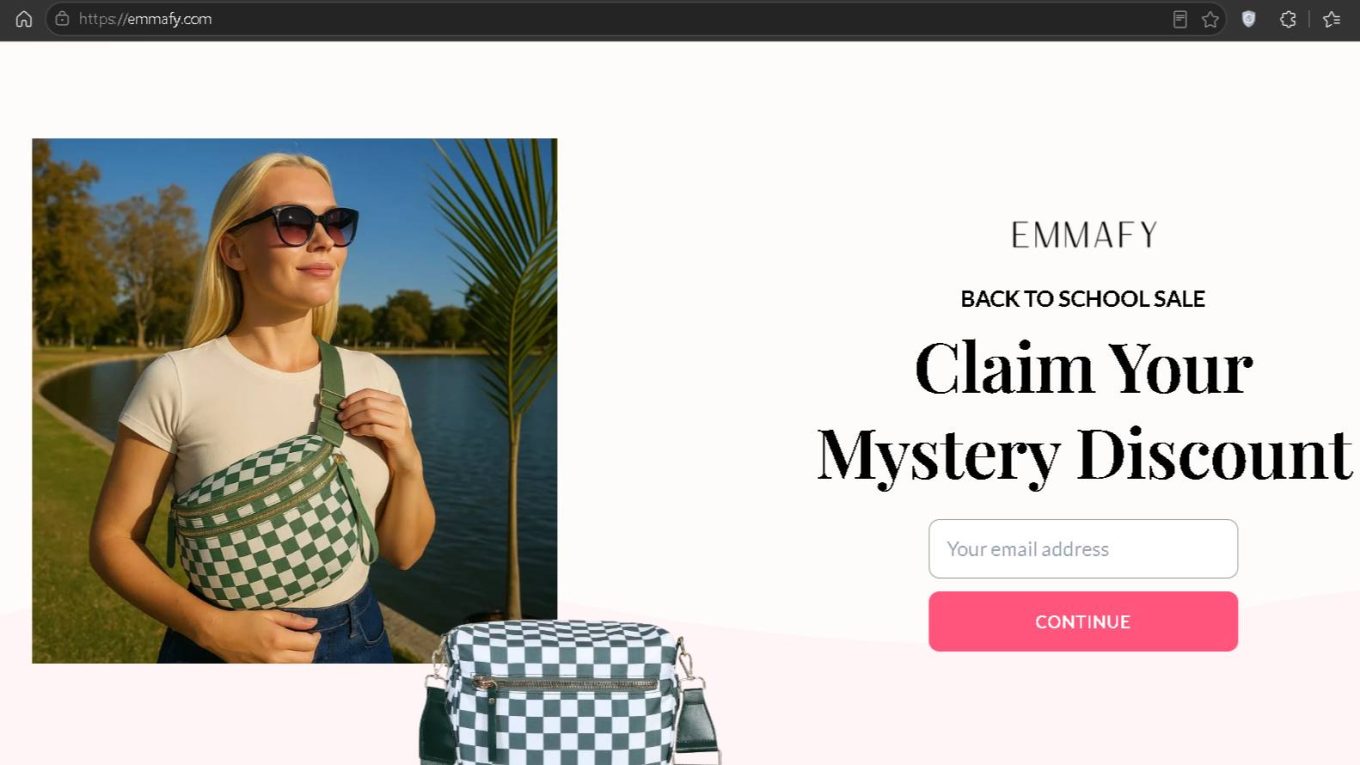
In the age of sleek online marketing, websites like Emmafy.com appear polished and trustworthy at first glance. The homepage features a stylish woman holding a checkered bag and a bold headline promising a “Back to School Sale” with a “Mystery Discount.” It looks like a trendy fashion store offering exclusive deals — but the reality is far more deceptive.
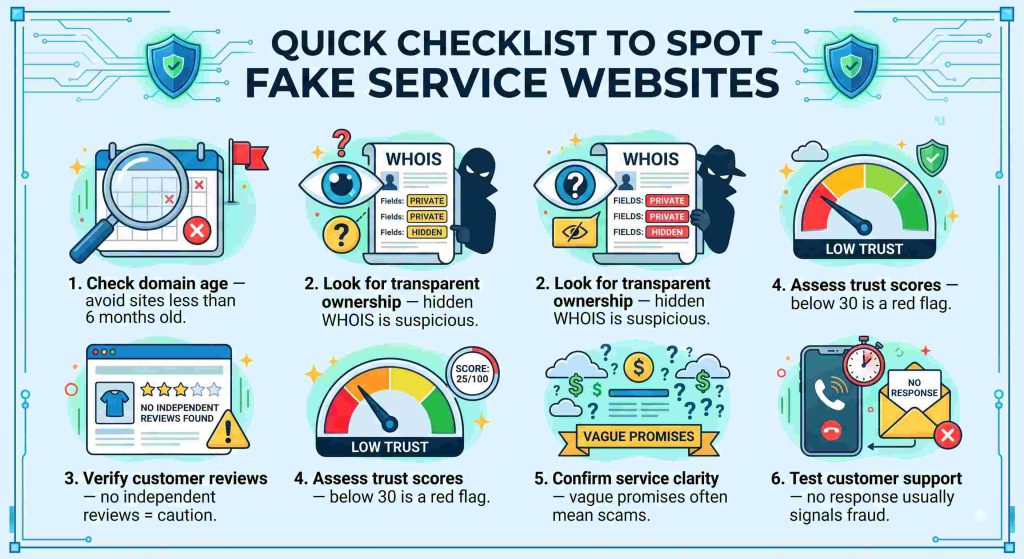
Emmafy was registered only recently, making it a new and unverified domain. Scam‑tracking tools show a trust score of barely 1–2%, and the site lacks any product catalog, company details, or contact information. Its single‑page design is a red flag in itself — instead of selling products, it focuses entirely on collecting email addresses. This pattern matches a growing wave of data‑harvesting scams disguised as fashion or lifestyle brands.
What This Site Is Doing
Emmafy operates as a data‑collection funnel, not a legitimate online store. Here’s how the scam works step by step:
- Email Harvesting: The site’s only interactive element is the email box. Users are asked to “Claim Your Mystery Discount,” which is a bait to collect personal data.
- Fake Discount Lure: The promise of a “mystery discount” triggers curiosity and urgency. Once users submit their email, they receive spam or phishing links instead of real offers.
- Affiliate Redirection: After submission, users may be redirected to unrelated “offer” sites that push paid trials or install tracking cookies.
- Clone Network Behavior: Scam networks often replicate this same layout under different names. Once exposed, they shut down and relaunch with a new domain.
“In the digital world, curiosity can cost you privacy. Always verify before you click.”
Red Flags of Emmafy
- Hidden Ownership WHOIS records conceal the owner’s identity. Legitimate businesses list their company name, address, and contact details. Emmafy hides everything, a hallmark of scam operations.
- No Privacy Policy or Terms There’s no mention of how user data is handled. This means emails collected could be sold to third parties or used for phishing.
- Stock Photography The images are generic lifestyle photos, likely sourced from free stock libraries. Scam sites use such visuals to appear authentic.
- Unrealistic Offers “Mystery discounts” and “exclusive deals” without any product details are psychological bait — they exploit curiosity to gather data.
- No Contact Information There’s no email, phone number, or address. Without a way to reach the company, users have no recourse if scammed.
- Recent Domain Registration Newly registered domains are common among scam networks. They operate briefly before being flagged and replaced.
Risk Table
| Feature | Emmafy.com | Trusted Retailer (Amazon/Walmart) |
|---|---|---|
| Ownership | Hidden, unverifiable | Transparent, verifiable |
| Discounts | “Mystery” bait | Realistic, seasonal offers |
| Delivery | None | Reliable, trackable |
| Payment Safety | Unknown | Secure gateways, buyer protection |
| Customer Support | Absent | 24/7 verified support |
Emmafy earns a trust score of 1–2%, placing it in the high‑risk category. For U.S. shoppers, the danger is significant because the site mimics American lifestyle brands and uses familiar marketing language. Global users are equally vulnerable — the scam relies on universal curiosity and the promise of free rewards.
FAQs About Emmafy
Is Emmafy legit?
No. Emmafy is a scam site designed to collect email addresses under the guise of offering discounts.
Can I get a refund or product from Emmafy?
No. The site doesn’t sell anything. It only collects data and redirects users to unrelated offers.
Why does Emmafy ask for my email?
To harvest personal information for spam campaigns or phishing attempts.
What happens after I submit my email?
You may receive promotional spam, phishing links, or be redirected to risky external sites.
How do I report Emmafy?
File a complaint with consumer protection authorities or cybercrime portals.
Comparison with Genuine Sites
Legitimate retailers like Amazon, Walmart, or Flipkart operate transparently. They display product catalogs, secure payment systems, and clear refund policies. Emmafy, on the other hand, hides its identity, offers no products, and focuses solely on collecting emails. The contrast is stark — genuine businesses build trust through transparency, while scams exploit curiosity and urgency.
Appeal
At WisdomGanga, we urge readers to stay vigilant against sites like Emmafy that thrive on deception. Always check domain age, ownership transparency, and trust scores before sharing personal information online.
If a site offers “mystery discounts” or “free rewards” without showing real products, treat it as a red flag. Share scam reviews with friends and family to spread awareness — every warning helps someone avoid becoming a victim.
If this review helped you stay safe online, consider buying me a coffee to support more scam‑busting research.

Conclusion
Emmafy is not a legitimate shopping destination. It is a data‑harvesting scam site disguised as a fashion brand. The site’s single‑page design, hidden ownership, and fake discount lure expose its true purpose — collecting user emails for spam or phishing.
Consumers must remember: if a website offers something for free in exchange for personal data, it’s rarely genuine. Emmafy is a reminder that even the most stylish pages can hide malicious intent. Stay alert, verify before you trust, and never share sensitive information with unverified sites.
Read next: Shopping Scam Directory