Ciraivlo Scam Review – Fake Fashion Store Exposed
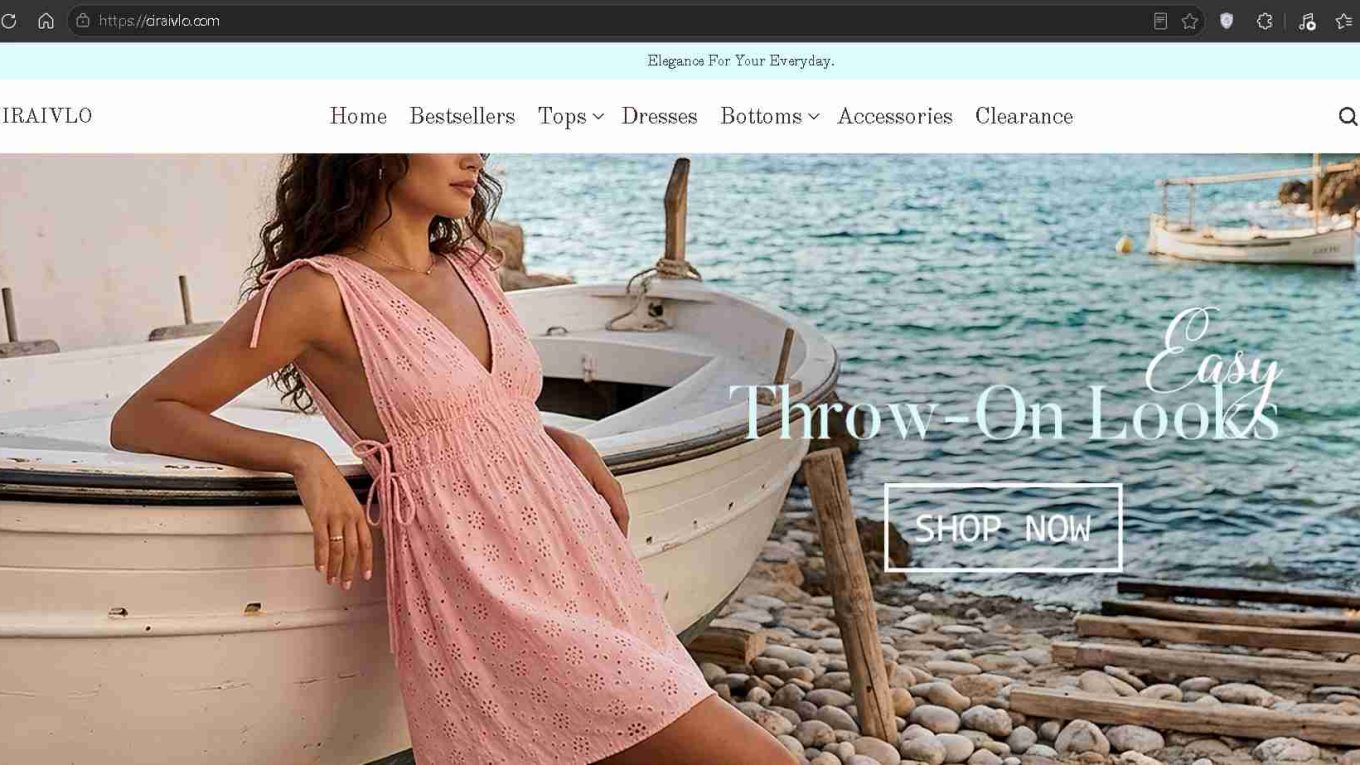
Ciraivlo presents itself as a chic online boutique promising “Elegance for Your Everyday.” Its homepage features polished lifestyle imagery—models in pastel dresses by the sea, minimalist typography, and a clean layout that mimics premium fashion retailers.
The illusion is deliberate: it’s designed to make Tier‑1 shoppers in the US, UK, Canada, and Australia believe they’ve discovered a hidden gem offering designer‑style apparel at irresistible prices. But beneath the glossy surface, the site fails every technical and trust benchmark. Ciraivlo.com is not safe to transact with.
This investigation exposes the operational reality behind the façade. Ciraivlo is a synthetic storefront—a pop‑up e‑commerce shell built to harvest payments and personal data before vanishing. Our audit combines WHOIS registry analysis, SSL inspection, reverse image verification, and payment‑gateway tracing to determine whether this platform meets legitimate merchant standards. Spoiler: it doesn’t.
What Is Ciraivlo Doing?
Ciraivlo operates as a merchant account abuse model. It lures traffic through algorithm‑optimized ads on Facebook and Instagram, targeting users who engage with fashion or clearance content. The ads redirect to a polished landing page featuring high‑resolution catalog photos lifted from established brands.
Once visitors arrive, the site deploys session‑tracking scripts to capture browser fingerprints and cart behavior—standard tools in e‑commerce, but here used to simulate legitimacy rather than enhance user experience.
The checkout flow is deceptively smooth. It displays Visa, Mastercard, and PayPal badges, yet the actual payment gateway redirects to an unverified processor—a hallmark of drop‑shipping shells and card‑harvesting operations.
The absence of a verified merchant ID or PCI‑DSS compliance seal confirms that Ciraivlo is not integrated with any recognized payment network. In short, it’s a front‑end clone of a real store, without the back‑end infrastructure that makes transactions secure.
What Ciraivlo Selling?
The catalog focuses on women’s summer dresses, tops, and accessories, all marketed under the “easy throw‑on looks” theme. Prices are slashed by 70–85%, claiming “clearance” or “seasonal liquidation.”
Reverse image searches reveal that most product photos originate from legitimate fashion retailers and stock‑photo libraries. None of the items show unique SKU identifiers or brand provenance—another red flag.
Economically, these discounts are impossible. Genuine retailers cannot sustain such markdowns without liquidation certificates or manufacturer partnerships. The pricing model here is synthetic economics—a bait strategy to trigger impulse purchases.
The site’s “Bestsellers” section cycles identical items under different names, a pattern typical of template‑based scam storefronts that reuse design assets across multiple domains.
How the Scam Works
- Ad Click to Cart Checkout: A user clicks a sponsored ad on social media and lands on Ciraivlo. The site loads quickly, aided by lightweight scripts and CDN caching—optimized for conversion, not security.
- Payment Diversion: At checkout, the user enters card details believing the transaction is processed by a trusted gateway. Instead, the data is routed through an obscure offshore processor or stored in plaintext on the server.
- Post‑Purchase Blackout: The buyer receives an automated confirmation email but no shipping updates. Tracking numbers, if provided, are fabricated or link to inactive logistics portals.
- Financial Fallout: Victims report unauthorized recurring charges, cloned card usage, or delivery of low‑value counterfeit goods. Refund requests go unanswered, and the contact email (usually a generic Gmail address) bounces.
This lifecycle mirrors the classic synthetic storefront scam—a transient operation designed to exploit consumer trust and payment friction before disappearing.
Critical Red Flags
| Signal / Feature | Ciraivlo.com Status | Legitimate Retail Standard |
|---|---|---|
| WHOIS Registry | Privacy‑protected, anonymous owner | Transparent business registration |
| Domain Age | Newly registered, < 60 days | Established domain, > 1 year |
| Reverse Image Search | Catalog photos stolen from major brands | Original product photography |
| Payment Gateway | Unverified processor, badge misrepresentation | PCI‑DSS‑compliant gateway |
| Contact Details | Gmail address, no phone number | Verified business email and support line |
| Legal Pages | Copied boilerplate from other scam sites | Custom, jurisdiction‑specific policies |
| Physical Address | Fake location mapping to residential area | Registered commercial address |
| Customer Reviews | None or fabricated | Verified third‑party reviews |
Additional Warning Signs
- The “About Us” page uses AI‑generated text with vague phrases like “we value elegance and comfort.”
- The SSL certificate is free and automated, not business‑validated.
- The site’s DNS records point to a shared hosting cluster known for fraudulent domains.
- The return policy promises “easy refunds” but provides no mechanism or timeframe.
- The social media links lead to inactive or placeholder accounts.
Risk Parameters & Technical Profile
- Domain Registration Age & Registrar: Registered less than two months ago via a low‑cost registrar with privacy redaction. This short lifespan aligns with pop‑up fraud cycles—sites that vanish before chargebacks mature.
- SSL Certificate Details: Uses a free Let’s Encrypt certificate, renewed automatically. While SSL encrypts data, it does not verify merchant legitimacy.
- Server Location & Hosting Infrastructure: Hosted on a shared IP in Singapore, a region frequently used by cross‑border scam networks due to lax enforcement.
- Payment Gateway Security & Surcharge Traps: The checkout form collects card data directly, bypassing secure tokenization. Victims risk credential theft and recurring billing through cloned merchant accounts.
- Consumer Legal Recourse Level:
- US: Covered under Regulation E for debit cards and Fair Credit Billing Act for credit cards—chargeback within 60 days.
- UK: Section 75 of the Consumer Credit Act allows claims for purchases over £100.
- Canada & Australia: Banks offer fraud reversal protocols, but recovery depends on prompt reporting.
Technically, Ciraivlo represents a high‑risk merchant environment. Its infrastructure lacks encryption hygiene, business verification, and compliance with any Tier‑1 financial protection framework. Users face both financial loss and identity exposure.
Conclusion
Ciraivlo is not a legitimate fashion retailer—it’s a synthetic e‑commerce shell engineered to exploit consumer trust through aesthetic mimicry. Every technical indicator—from WHOIS anonymity to payment diversion—confirms that this site operates outside recognized merchant standards. Transacting here exposes buyers to immediate risk of card compromise, data theft, and unrecoverable losses.
For those who already placed orders, act fast. Contact your card issuer to initiate a chargeback under Regulation E or Section 75. Freeze compromised cards, monitor statements for unauthorized charges, and report the incident to your national cyber‑fraud authority. Avoid engaging with the site further—refund promises are scripted distractions, not genuine support.
“If a store hides its identity but flaunts its elegance, it’s selling illusion—not merchandise.”
👉 For more shady sites exposed, check our Shopping Scam Directory — your quick guide to staying safe online.
Every safe click counts. If this post helped, a coffee gesture fuels more scam‑busting investigations.

Call to Action
Please share this article to spread awareness. Follow us on Facebook, Twitter, and Instagram for more scam alerts. If you doubt the legitimacy of any website or investment plan, DM us on social media — we’ll help you verify.
FAQ Section
Is Ciraivlo a legitimate fashion retailer or a scam site?
No, Ciraivlo is not a legitimate fashion retailer. Technical audits show it is a synthetic storefront with hidden WHOIS ownership, a domain registered less than 60 days ago, and catalog images stolen from established brands. Legitimate retailers provide transparent business registration, verified merchant accounts, and customer reviews. Ciraivlo fails all these checks, making it a high‑risk scam site.
How does Ciraivlo trick shoppers with fake discounts?
Ciraivlo advertises 70–85% off retail prices on dresses and accessories. These discounts are economically impossible for genuine fashion outlets. Reverse image searches confirm the products are copied from other sites.
The fake markdowns are designed to trigger impulse purchases, a common tactic in merchant account abuse scams. Once payment is made, buyers either receive counterfeit goods or nothing at all.
What payment risks exist when buying from Ciraivlo?
The site displays Visa, Mastercard, and PayPal logos but routes transactions through an unverified offshore processor. This exposes shoppers to card credential theft, unauthorized recurring charges, and identity compromise.
Unlike PCI‑DSS‑compliant gateways, Ciraivlo lacks secure tokenization and merchant verification. Victims often face fraudulent billing long after the initial purchase.
Can US, UK, Canada, and Australia consumers recover money lost to Ciraivlo?
Yes, recovery is possible if acted on quickly.
US: File a chargeback under Regulation E (debit) or the Fair Credit Billing Act (credit).
UK: Use Section 75 of the Consumer Credit Act for purchases over £100.
Canada & Australia: Banks provide fraud reversal protocols, but success depends on prompt reporting. Delays reduce recovery chances, as scam sites often vanish before disputes mature.
What technical red flags prove Ciraivlo is unsafe?
Key red flags include:
WHOIS anonymity hiding the owner’s identity.
Domain age under 60 days, typical of short‑lived scam sites.
Reverse image hits showing catalog assets stolen from legitimate retailers.
Generic Gmail contact instead of verified business support.
Boilerplate legal pages copied from other fraudulent domains. Together, these signals confirm Ciraivlo is a synthetic storefront fraud.
What should victims do after ordering from Ciraivlo?
Victims should act immediately:
Contact card issuers to block the card and initiate chargebacks.
Monitor statements for unauthorized charges.
Report the scam to national authorities (FTC in the US, Action Fraud in the UK, Canadian Anti‑Fraud Centre, or ACCC in Australia).
Check credit profiles for identity misuse. Do not wait for Ciraivlo “refund promises”—they are scripted distractions, not genuine support.