The Zen of the KOSPI Candle: Why the Market Dropped and How to Heal
The person who has lost money today inside the crash of this KOSPI Candle needs no words to heal, as no words can truly heal them right now. Speaking with shell-shocked market participants just minutes after the closing bell, the sentiment across the board was identical: a heavy, paralyzing disbelief.
When a benchmark index drops nearly 10% in a single session, the numbers on the terminal cease to be just data—they become human stories of broken discipline and sudden drawdown. To find our footing again, we must look directly into the wreckage and ask: What happened today, and why did this brutal daily candle form?
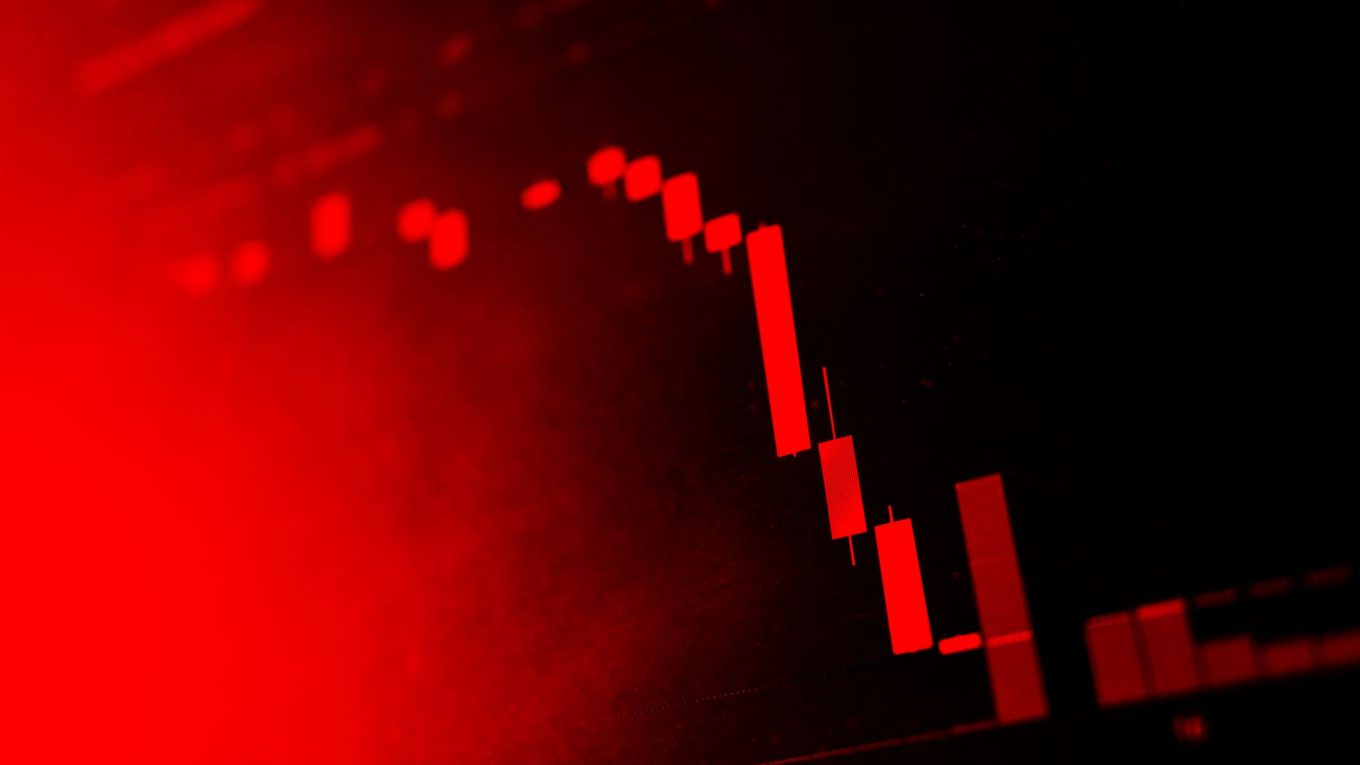
The collapse on the Korean Exchange was historic. The benchmark KOSPI index plunged a staggering 9.99% in a single session, shedding 910.71 points to close at 8,203.84. The sheer velocity of the decline printed a historic bearish KOSPI Candle that activated automated Level 1 circuit breakers, halting stock trading for 20 minutes to force an artificial cooling-off period.
Today’s drop was not a random technical glitch. It was a violent, synchronized unwinding of highly concentrated tech valuations, extreme retail leverage, and shattered macroeconomic expectations. Three major catalysts broke the market’s structural support all at once:
1. The Concentration Risk Flaw
The historic market rally leading up to this reversal was exceptionally top-heavy, driven almost entirely by extreme artificial intelligence and semiconductor euphoria. Samsung Electronics and SK Hynix together command over half of the index’s total market capitalization. When global technology valuations began to correct, these two giants collapsed under their own weight—with Samsung plunging 12.31% and SK Hynix dropping 12.47%. Because the index is so deeply concentrated, their fall made a massive benchmark decline mathematically inevitable.
2. The MSCI Disappointment
Investors had aggressively priced in a near-certain upgrade for South Korea into the MSCI Developed Markets index watchlist. When MSCI officially announced that the country would remain classified as an emerging market due to lingering regulatory hurdles, the fundamental thesis for billions of dollars in passive foreign inflows evaporated overnight, causing an immediate gap down at the open.
3. The Leverage Domino Effect
Local retail participation using margin debt—money borrowed from brokerages to buy shares—had recently ballooned to an all-time record high of ₩38.5 trillion. When foreign institutional investors aggressively dumped a net ₩5.79 trillion ($3.8 billion) of equities in a matter of hours, prices broke key structural floors. This immediately triggered automated margin calls, forcing brokerages to liquidate retail positions indiscriminately to cover bad debts. This cascade of selling pressure extended the daily candle to its absolute limits.
Reading the Bearish KOSPI Candle Without Emotion
To strip the paralyzing fear away from a market crash, you must stop viewing the screen as an aggressive enemy and start analyzing it as a simple record of human behavior.
When analyzing the technical layout of the bearish KOSPI Candle printed on the daily chart, notice how the individual components map out the psychological battle between buyers and sellers:
| Candlestick Component | Chart Measurement | Psychological Meaning |
| The OPEN | Located at the top of the rectangle | Represents the initial equilibrium at the morning bell, where optimism still held the line before reality set in. |
| The BODY | The solid red block between Open and Close | Measures the raw velocity and magnitude of the panic. The massive, elongated red body confirms that sellers were willing to cross any price bid to liquidate their positions. |
| The UPPER SHADOW | The thin wick extending above the body | Marks the highest point reached during the session. A short or absent upper shadow indicates that buyers were overwhelmed almost instantly from the start. |
| The LOWER SHADOW | The thin wick extending below the body | Marks the session low. Because the index closed at its absolute low point, the lower shadow is non-existent, signaling that the selling pressure did not decelerate before the final bell. |
This KOSPI Candle is simply a frozen graphic representation of collective human fight-or-flight energy. It is not an oracle predicting a permanent downward spiral; it is an index of current fear.
The Internal Blueprint—How to Heal Your Mindset
When your portfolio sustains a severe drawdown, your sympathetic nervous system hijacks your analytical brain. It demands immediate action to stop the emotional discomfort. This is the exact moment most traders commit terminal account errors. Healing your mindset requires a total shift in how you process loss.
1. Shift from the Actor to the “Witness”
The core of spiritual wisdom during a crisis lies in the art of witnessing. When a market crashes, the crowd loses its identity to panic. True discipline is your ability to observe this external chaos without letting it dictate your internal state.
Think of your mind as a vast sky, and the crashing chart as a violent storm passing through it. The storm may be intense, but it cannot alter the fundamental nature of the sky itself. Step back and become the objective observer. Acknowledge the tightening in your chest and the anxiety in your thoughts as you look at the screen, but refuse to identify with them. Do not convert the external statement “I am staring at a red KOSPI Candle” into the internal identity “I am a failure.”
2. Kill the Urge to Revenge Trade
The single most destructive psychological pitfall after a massive financial hit is revenge trading—the compulsive urge to instantly re-enter the market with inflated position sizes to win the money back.
Trading under the psychological influence of financial trauma is functionally identical to driving impaired. Your rational processing centers are entirely offline, and your decisions are governed exclusively by fear and desperation.
Enforce a mandatory, non-negotiable 48-to-72-hour cooling-off period. Log completely out of your brokerage accounts, remove trading shortcuts from your phone, and let your nervous system reset to its emotional baseline. The market will be open next week; your mental health might not be if you continue to force emotional trades into this highly volatile environment.
3. Align with the Law of Cycles
Human psychology naturally falls prey to the illusion of permanence. When markets run hot, we believe they will ascend infinitely; when they drop 10% in a single day, we assume they are going straight to zero.
Break this cognitive distortion by remembering the universal law of cycles. No system can expand indefinitely without contracting, just as the human body cannot inhale forever without eventually exhaling. This crash is the market’s violent, necessary exhale. It is a structural consolidation phase designed to wipe out over-leveraged excess, shake out unsustainable speculation, and re-establish a healthy, fundamental floor. It is a painful reset, but it is an ordinary characteristic of market physics.
Protecting the Printing Press
Money is entirely fluid—it is energy that flows in and flows out across the chart of a career. The capital inside your account can always be methodically rebuilt through structured risk management and mechanical execution.
Your mind, however, is the actual printing press that generates the wealth. If you allow a single bearish KOSPI Candle to destroy your internal stability, you damage the very machine responsible for creating your future success. Treat your mental peace as your primary asset, accept this consolidation phase of your journey, and return to the screens only when you can look at the chart with absolute emotional neutrality.
This journey isn’t meant to be walked in isolation, especially on days when the market shakes us to our core. If today’s KOSPI crash hit your portfolio, how are you navigating the internal fallout right now? Drop a comment below and share your POV—sometimes simply voicing the struggle within a community of like-minded traders is the first step toward breaking its grip. If this perspective brought a little stillness to your evening, please share it with a friend or a fellow trader who might be staring at a red screen in silence tonight. Let’s protect our internal capital together.